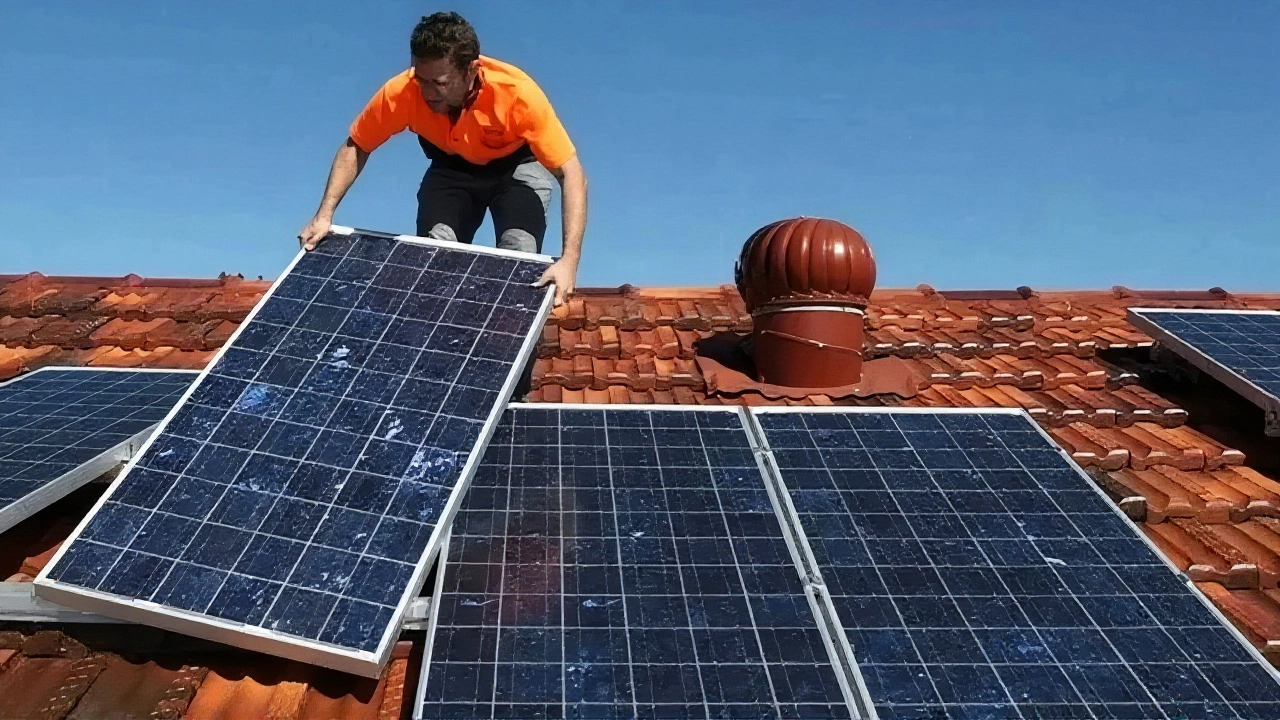
Imagine your monthly electricity bill dropping to zero. That’s the promise behind PM Surya Ghar: Muft Bijli YojanaIndia, a massive government initiative launched by Narendra Modi, Prime Minister of India. The scheme aims to provide up to 300 units of free electricity every month to one crore (10 million) households across the country by installing rooftop solar panels.
Announced on February 13, 2024, and formally rolled out two days later, this isn't just another policy paper gathering dust. It’s a direct financial injection into household economies, targeting the rising cost of living while pushing India’s green energy agenda forward. Here’s the thing: it’s not just about saving money; it’s about shifting how millions of Indians consume power.
How the Subsidy Structure Works
The core appeal? Cash in hand. The government offers a fixed subsidy directly credited to beneficiaries’ bank accounts after their solar system is installed and commissioned. But the amount depends on the size of the system you choose, which is tied to your current electricity usage.
If you’re a light user consuming between 0–150 units a month, a 1 kW system might do the trick, earning you a ₹30,000 subsidy. For moderate users hitting 150–300 units, a 2 kW system comes with a ₹60,000 grant. Heavy consumers using more than 300 units can opt for systems above 3 kW, though the subsidy caps at ₹78,000. Essentially, the state covers 60% of the cost for systems up to 2 kW and 40% for the next kilowatt.
But wait—the subsidy doesn’t cover everything. That’s where the blended finance model kicks in. Beneficiaries can access concessional loans from banks like Indian Bank to cover the remaining costs. This combination of grant support and affordable credit makes the upfront investment manageable for middle-class families who’ve previously shied away from solar due to high initial prices.
Who Qualifies and How to Apply
Eligibility is straightforward but strict. You must be an Indian citizen, own a residential house with a suitable rooftop, and have an active electricity connection. Crucially, you cannot have availed any other government solar subsidy before. This prevents double-dipping and ensures the funds reach new adopters.
The application process is entirely digital, designed to cut through bureaucratic red tape. Users register on the national portal managed by the Ministry of New and Renewable Energy. After entering basic details like your consumer number and mobile verification via OTP, the system generates a feasibility report. From there, you select a registered vendor for installation and a partner bank for financing. Once the net meter is installed and the system goes live, the subsidy hits your account within 30 days.
On-the-Ground Momentum
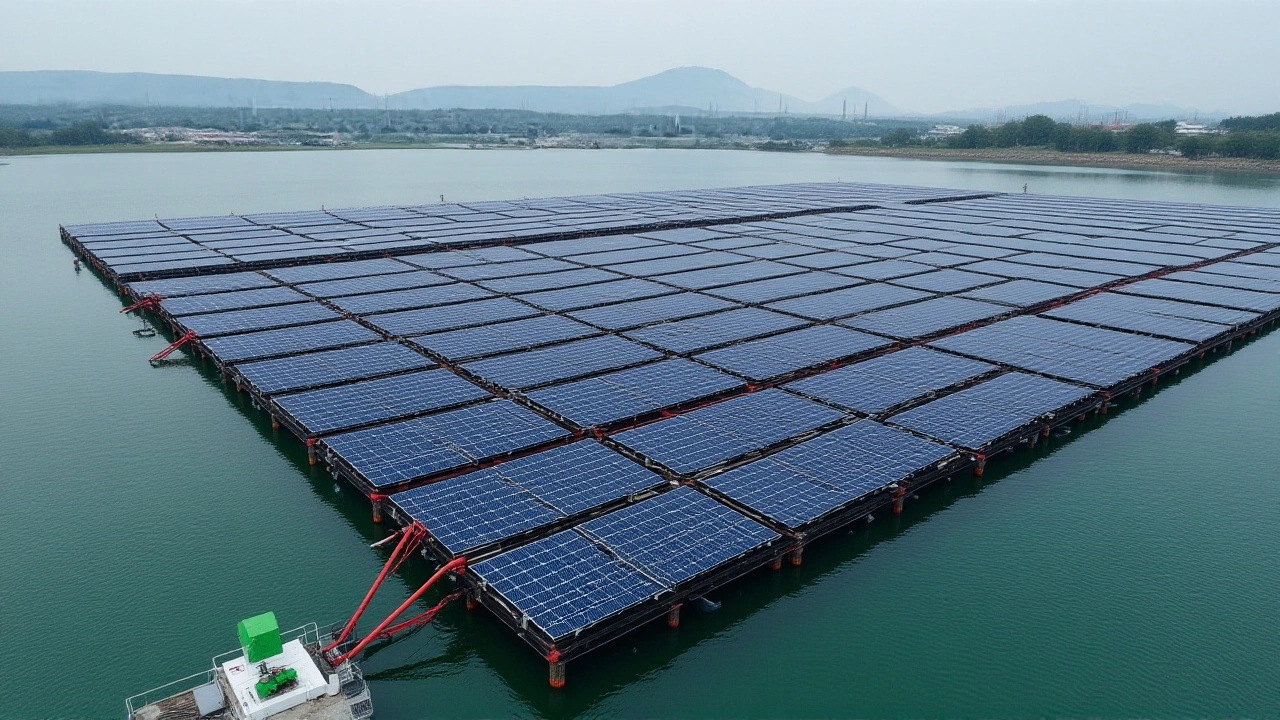
Early adoption numbers suggest strong interest. In Southern Odisha, TP Southern Odisha Distribution Limited has reported over 2.7 lakh registrations alone. Local campaigns are driving awareness, framing the scheme not just as a tech upgrade but as a step toward energy independence.
Private players are also jumping in. Tata Power Company Limited has released detailed guides to help consumers navigate the process, highlighting the scheme’s role in India’s broader renewable energy push. Their involvement signals confidence that the market will absorb the increased demand for solar hardware and installation services.
Why This Matters Beyond Your Bill
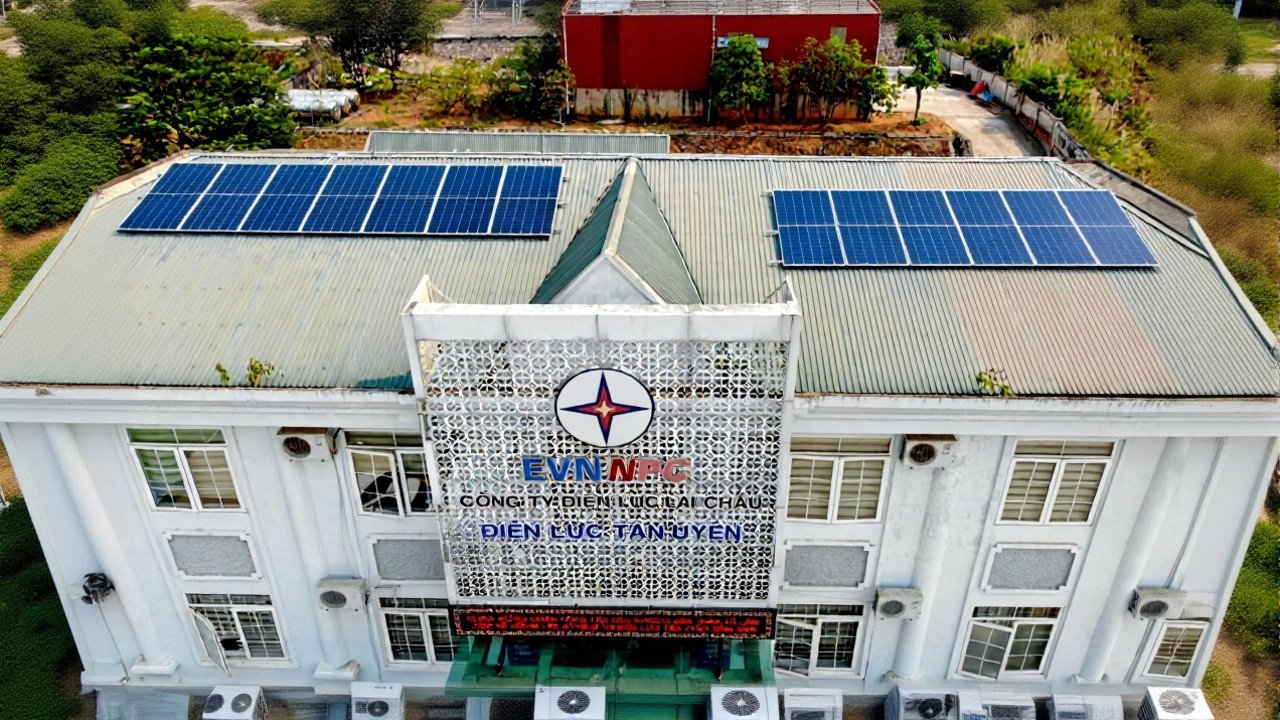
The ripple effects extend far beyond individual savings. Estimates suggest the scheme could save the government approximately ₹75,000 crore annually in electricity procurement costs. By decentralizing power generation, India reduces strain on the grid and cuts carbon emissions significantly.
Moreover, it creates jobs. The solar sector needs installers, technicians, and sales agents. As one crore homes get wired for sun, employment opportunities in rural and urban areas alike are set to boom. It’s a classic win-win: cleaner air and fuller pockets.
Frequently Asked Questions
Is the electricity really free?
Yes, up to 300 units per month. The solar panels generate power that offsets your consumption. If you use less than what your system produces, you may even earn credits from your utility provider through net metering, depending on local DISCOM rules.
What if my roof isn’t big enough?
The scheme requires a suitable rooftop area for panel installation. If your space is limited, you might qualify for a smaller system (e.g., 1 kW), which still offers a subsidy of ₹30,000. However, it may not fully cover 300 units of consumption.
Can renters participate in this scheme?
Currently, no. Eligibility criteria specify that applicants must own the residential property. This is because the solar infrastructure becomes part of the real estate asset, and ownership simplifies maintenance and liability issues.
How long does it take to get the subsidy?
Once your system is installed, commissioned, and approved by the distribution company, the subsidy is credited to your bank account within 30 days. The entire process, from application to installation, typically takes 4–6 weeks depending on vendor availability.
What happens if I move houses?
Since the subsidy is tied to the property and the installation, you generally cannot transfer the benefit to a new home. The solar system remains with the house. You would need to sell the property with the installed system or arrange for its removal, though removing it may void warranties or future claims.