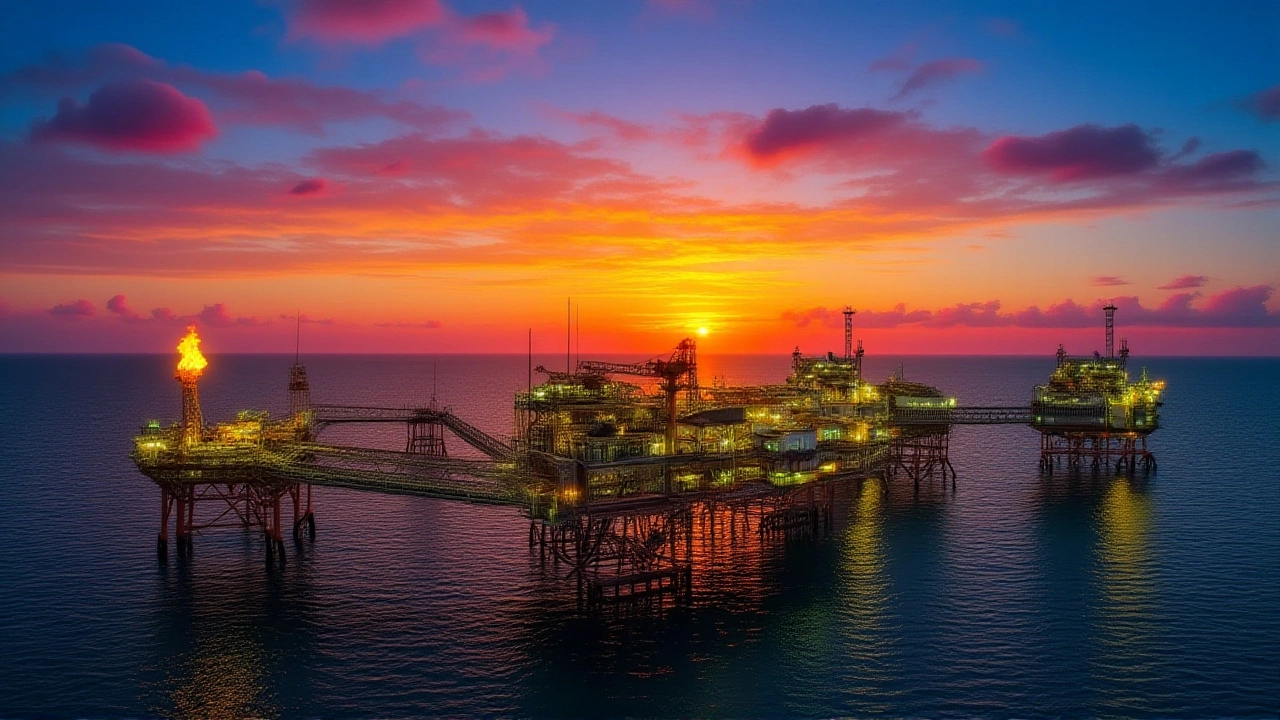
When Brent crude prices shattered the $125 per barrel mark this week, it wasn’t just a blip on the trading screen—it was a wake-up call for global economies already reeling from inflation. The surge, driven by escalating geopolitical friction between the United States and Iran, has sent shockwaves through financial markets worldwide.
Here’s the thing: we haven’t seen oil this expensive since mid-2022. But wait—the context is different now. This isn’t just about supply shortages; it’s about fear. Fear that the Strait of Hormuz, the world’s most critical oil chokepoint, could be disrupted again. And right now, traders are pricing in exactly that risk.
The Numbers Behind the Spike
Let’s look at the hard data first. On Wednesday alone, Brent crude jumped over 6%, hovering near $120 before breaking through the psychological barrier to hit $125.36 per barrel for June delivery contracts. That’s a 6.2% single-day leap. Even more concerning? July futures aren’t far behind, climbing 3.1% to settle at $113.85 per barrel.
Meanwhile, West Texas Intermediate (WTI), America’s benchmark crude, also surged past $107 per barrel. These aren’t minor fluctuations—they represent a significant repricing of energy costs across the globe. In fact, some reports indicate a staggering 24% jump in certain short-term contracts, pushing prices above $114 in rapid succession.
This volatility comes after nine consecutive weeks of tension in the region. It’s not just noise; it’s a sustained pressure cooker effect.
Why Is This Happening Now?
The twist is that despite a recent ceasefire agreement, the situation remains incredibly fragile. The U.S. Navy has signaled zero flexibility regarding its blockade measures, demanding the return of seized Iranian-linked tankers. With diplomatic talks stalled, uncertainty reigns supreme.
Think of the Strait of Hormuz like the main artery of global oil transport. Roughly 20-30% of the world’s total oil consumption passes through this narrow waterway daily. When whispers of closure circulate—even if unfounded—markets panic. Traders buy insurance against disruption, driving up futures prices instantly.
Oddly enough, while headlines scream “war,” the reality is nuanced. No shots have been fired recently, but the threat of escalation keeps investors on edge. As one market analyst noted, “It’s not about what’s happening today; it’s about what *could* happen tomorrow.”
Global Markets React with Alarm
Turns out, high oil prices don’t play well with stock markets. As Brent crossed $125, global equity indices took a sharp dive. Investors fled risky assets, seeking safety in bonds and gold. The correlation is clear: when energy costs rise, corporate profits shrink, and consumer spending power evaporates.
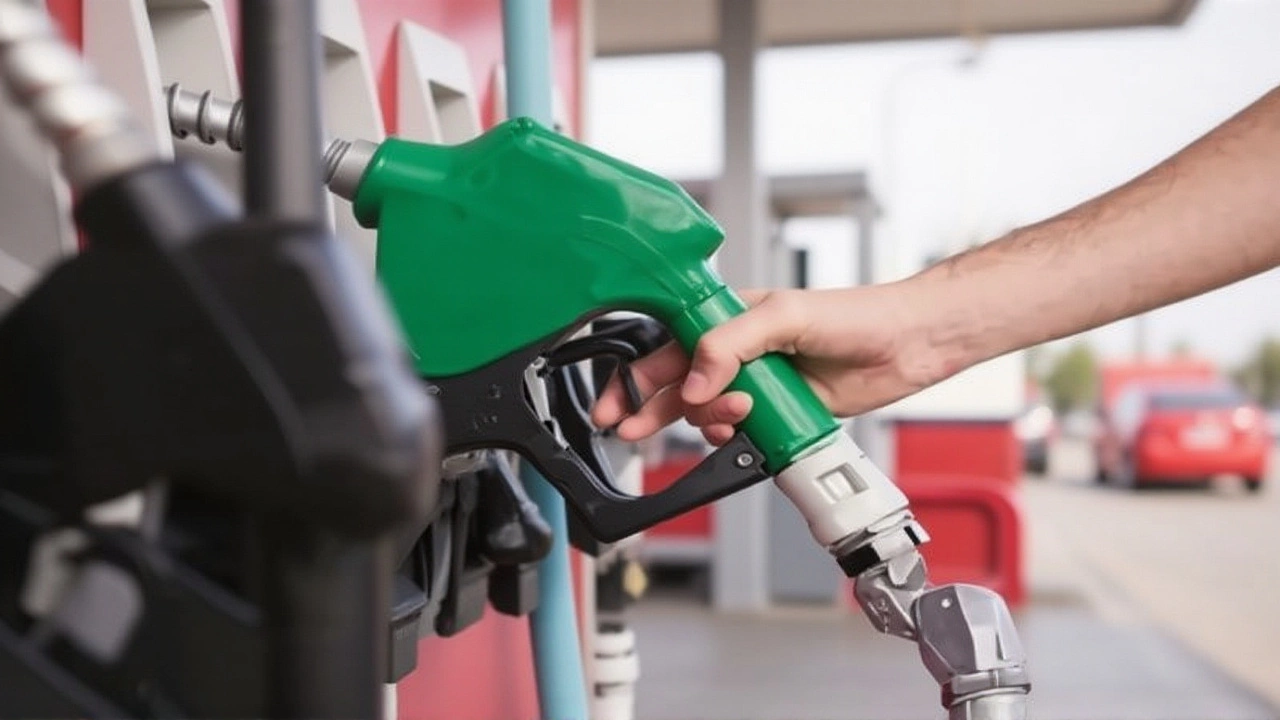
In India, where petrol and diesel prices are already sensitive to international trends, the question on everyone’s mind is simple: Will our fuel pumps get more expensive? While no official price hike has been announced yet, history suggests otherwise. Every time Brent crosses $120, domestic retailers face mounting pressure to adjust rates within days.
For average consumers, this means higher transportation costs, inflated grocery bills (due to increased logistics expenses), and potentially slower economic growth. It’s a ripple effect that touches every household.
What Experts Are Saying
Energy analysts warn that unless diplomacy resumes soon, prices could stabilize even higher. “We’re seeing a classic risk premium,” says Dr. Arjun Mehta, an energy economist based in Mumbai. “Markets hate uncertainty. Until there’s clarity on Iran’s nuclear program or naval operations, expect volatility to persist.”
Others point out that OPEC+ may intervene. If production cuts deepen or spare capacity vanishes, the upward pressure intensifies. Conversely, if the U.S. releases strategic petroleum reserves, we might see temporary relief—but only brief respite.
Looking Ahead: What Should You Watch?
Keep an eye on three key developments:
- Diplomatic Breakthroughs: Any sign of renewed talks between Washington and Tehran could cool prices rapidly.
- OPEC+ Meetings: Decisions on output levels will directly impact supply dynamics.
- U.S. Strategic Reserves: Potential releases could dampen short-term spikes.
If you’re a business owner relying on logistics, consider hedging strategies now. For individuals, budgeting for higher utility and travel costs might become necessary sooner rather than later.
A Brief History of Oil Shocks
This isn’t the first time geopolitics have distorted oil markets. Remember 2022? Russia’s invasion of Ukraine sent prices soaring past $120, triggering inflationary pressures globally. Similarly, in 1973, the Arab oil embargo caused quadrupling of prices overnight.
Each episode teaches us the same lesson: Energy security is national security. Countries heavily dependent on imports—like India, Japan, and Germany—are particularly vulnerable. Diversifying energy sources and strengthening diplomatic ties remain crucial long-term solutions.
Frequently Asked Questions
Will petrol and diesel prices increase immediately?
Not necessarily overnight, but likely within days. Indian fuel prices are revised daily based on global benchmarks. A sustained move above $125 typically triggers local adjustments within 3-5 business days, especially if WTI follows suit.
How does the Strait of Hormuz affect global oil supply?
Approximately 21 million barrels of oil pass through the Strait daily—about 20% of global consumption. Any disruption here creates immediate scarcity fears, causing prices to spike regardless of actual physical shortages elsewhere.
Could this lead to another recession?
High oil prices act as a tax on consumers and businesses, reducing disposable income and increasing operational costs. If prices stay elevated for months, central banks may raise interest rates further, slowing economic activity significantly.
What can governments do to mitigate the impact?
Governments can release strategic petroleum reserves, subsidize fuel temporarily, or accelerate renewable energy adoption. Long-term, investing in domestic extraction and alternative fuels reduces dependency on volatile international markets.
Is the current crisis similar to 2022?
Superficially yes, but fundamentally no. In 2022, physical supply chains were broken due to war. Today, the issue is perceived risk and diplomatic stalemate. However, both scenarios create identical market psychology: fear-driven buying.